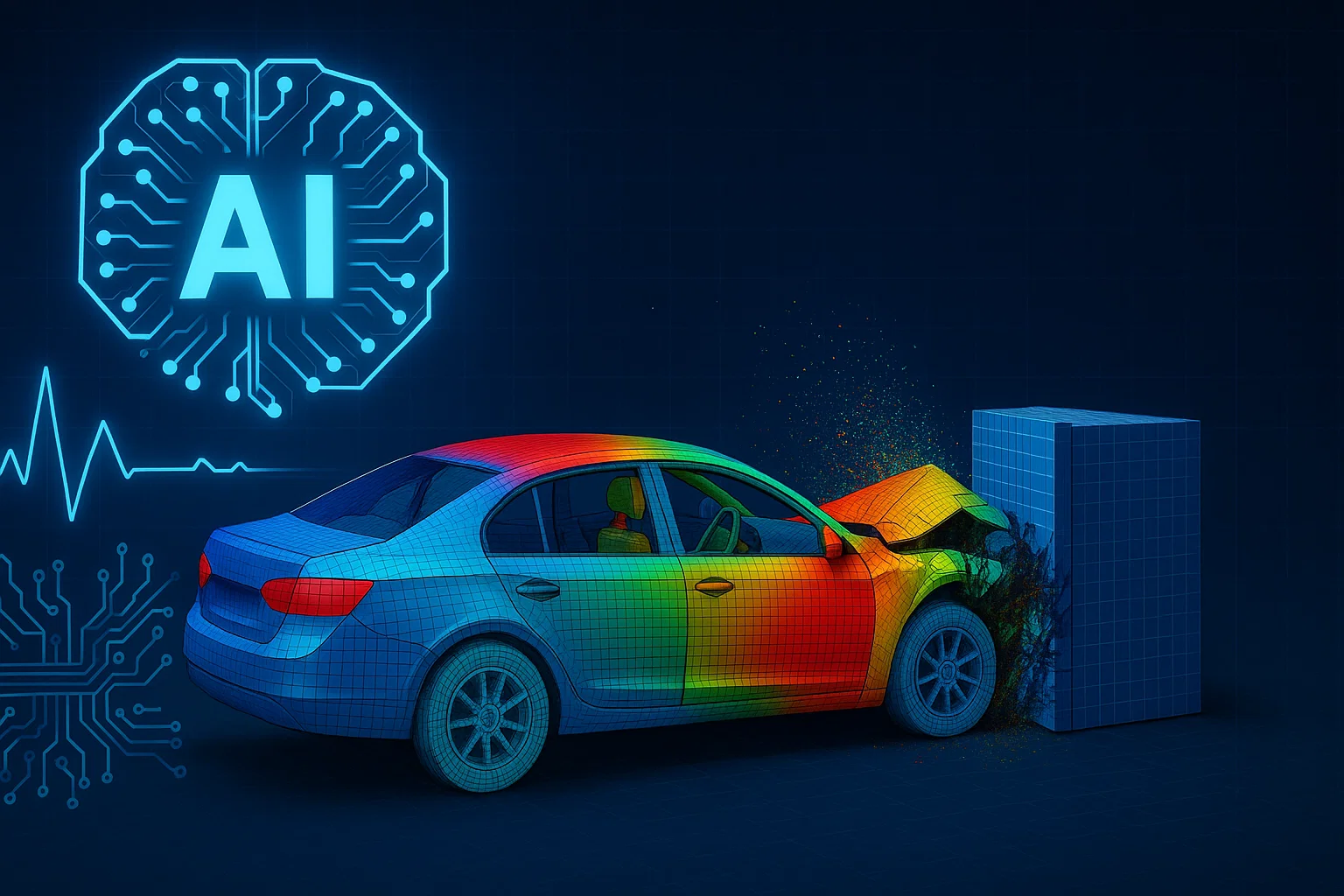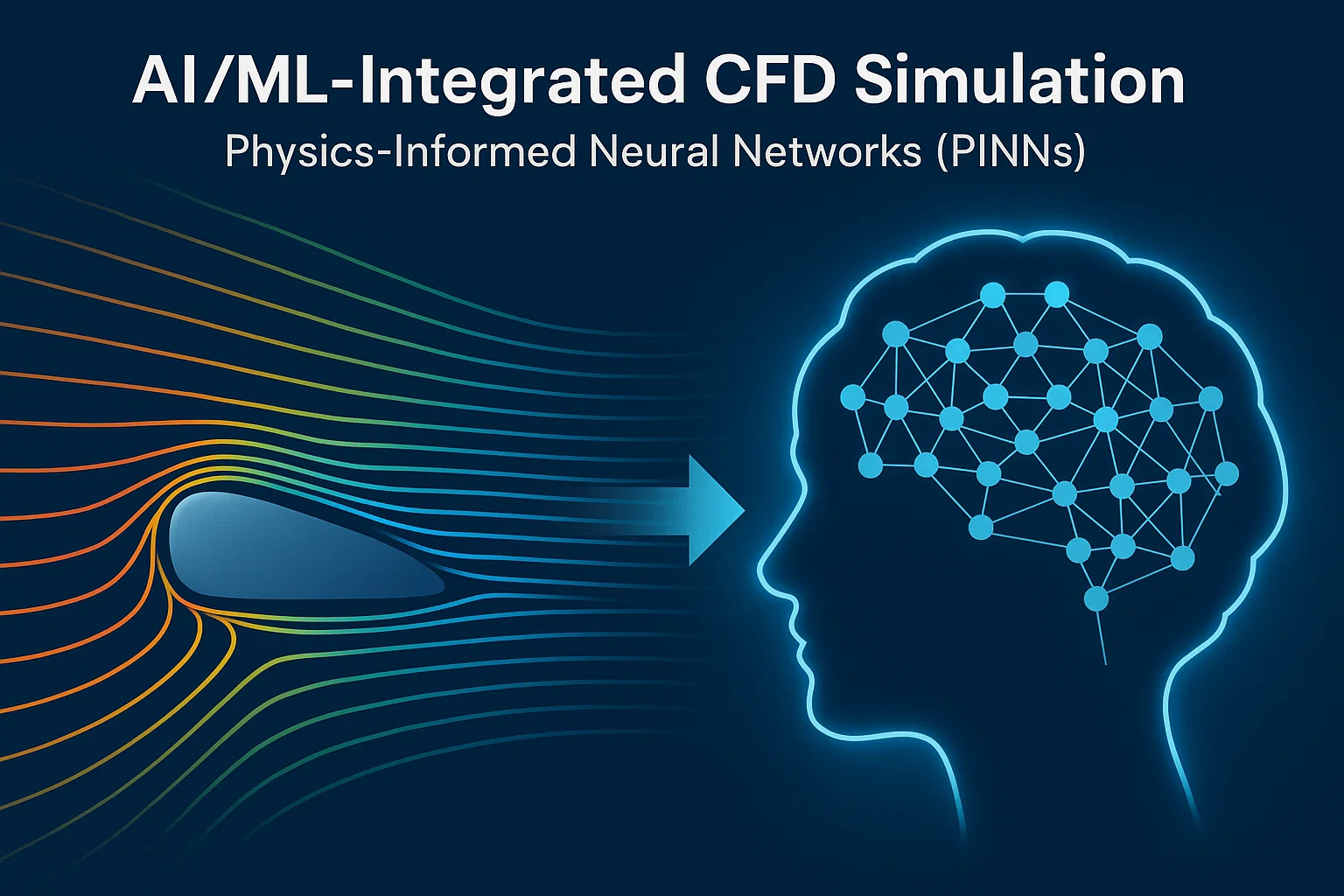
Trending Now: FEA, CFD & Artificial Intelligence Simulation and Design for Medical and Biomedical Applications Physics-Informed Neural Networks (PINNs) & Surrogate Modeling|Reduced-Order Models (ROMs). VTOL, e-VTOL and UAM - Urban Air Mobility.
IMG-LOGO

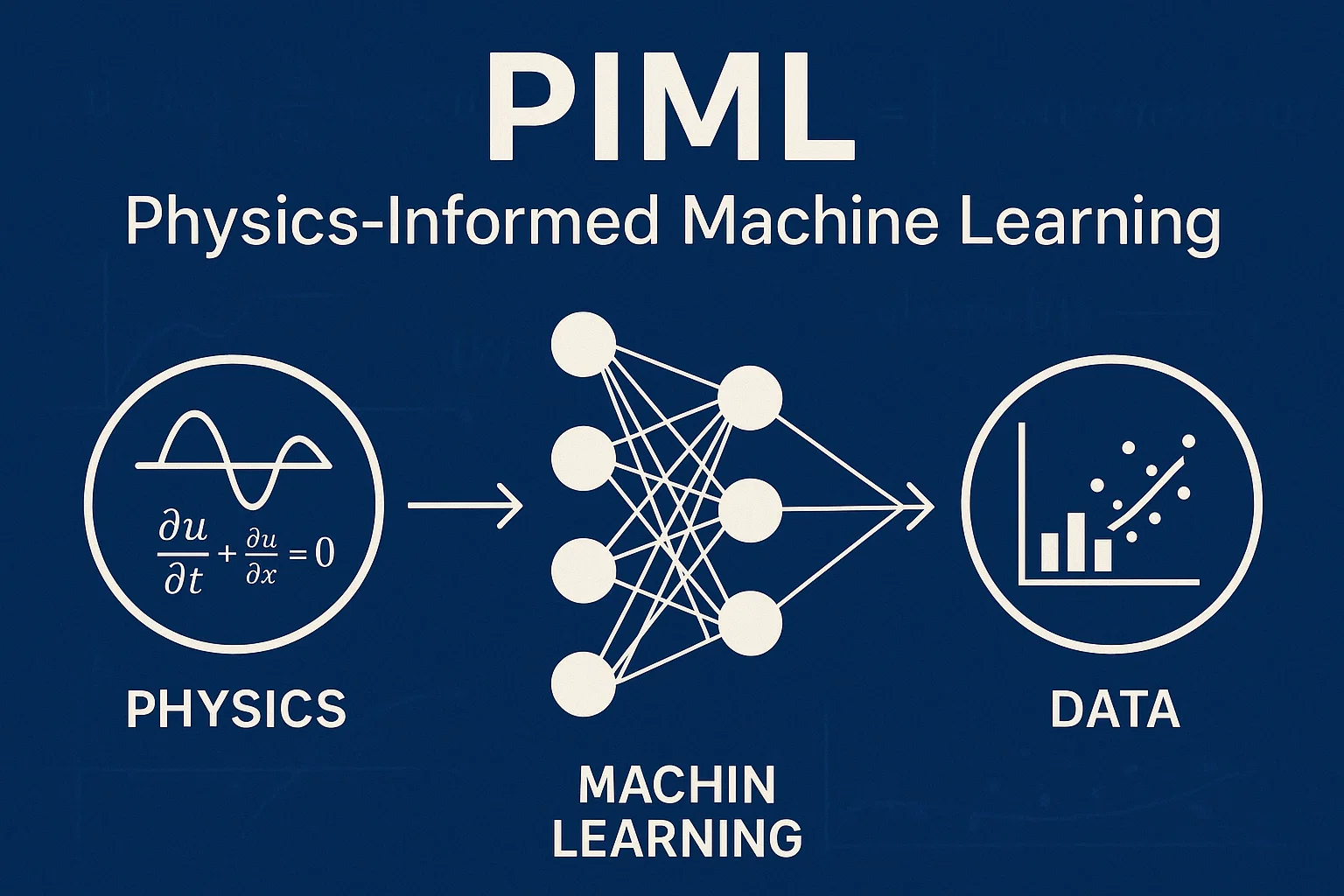
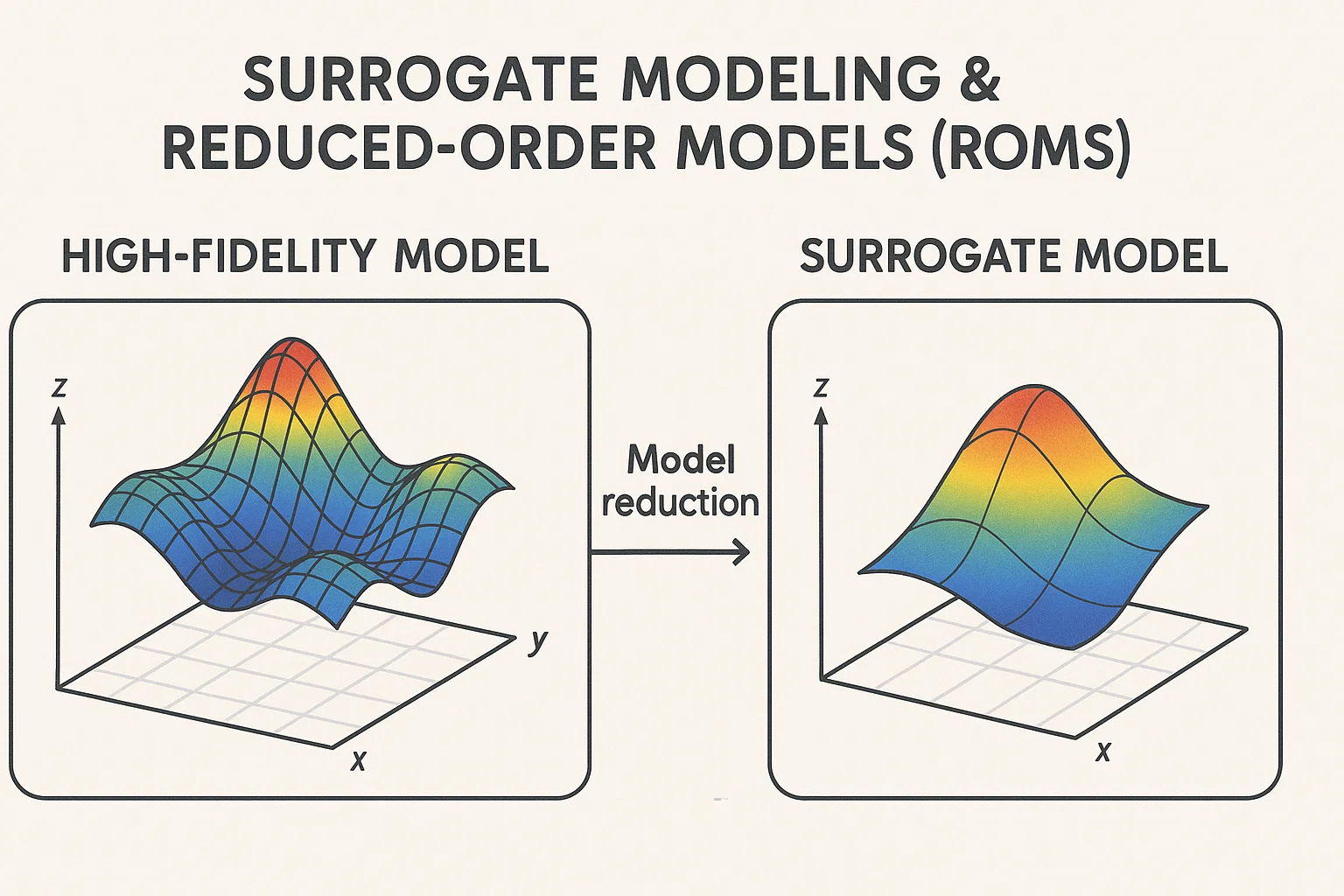
Hybrid Physics-AI Modeling Physics-Informed Neural Networks (PINN / PIML) & Surrogate Modeling / Reduced-Order Models (ROMs) for CFD & FEA

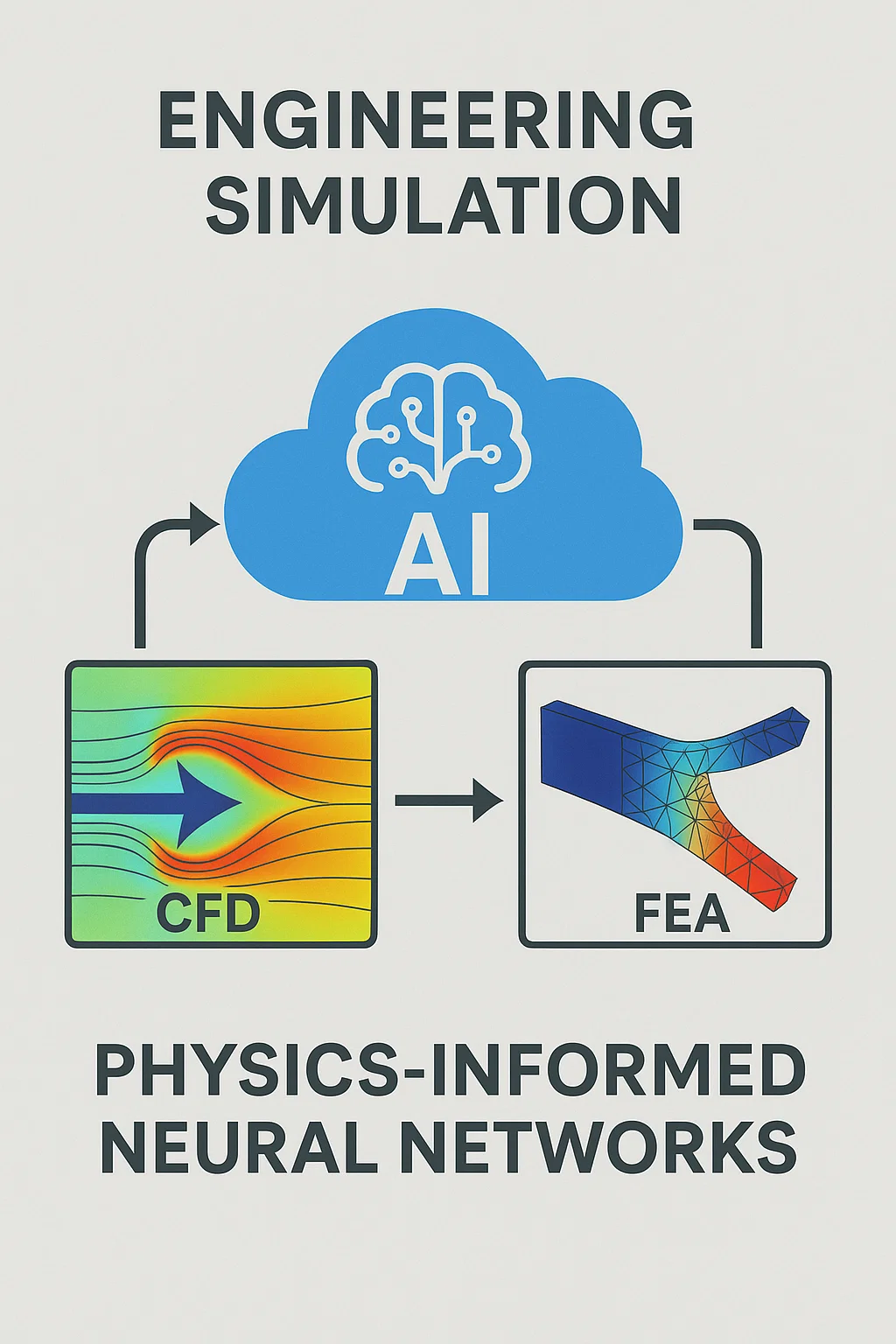
Integrated AI & Machine Learning with CFD & FEA Simulation Artificial Intelligence Analysis FEA|CFD & AI Integration Physics-Informed Neural Networks (PINNs)
Hybrid Physics-AI Modeling, Ansys, Simulia, Siemens, Integrated FEA | CFD with Artificial Intelligence & Machine Learning
AI-Driven Simulations for Smarter Engineering.
Simulation Dynamics
  • Physics-Informed Neural Networks (PINNs):
    • Embed governing Partial Differential Equations (PDEs) as loss functions during ML training
    • Ensures predictions respect physical laws (Navier-Stokes for CFD, elasticity for FEA)
    • Applications:
      • FEA: Nonlinear material response (hyperelasticity, plasticity) in structural components
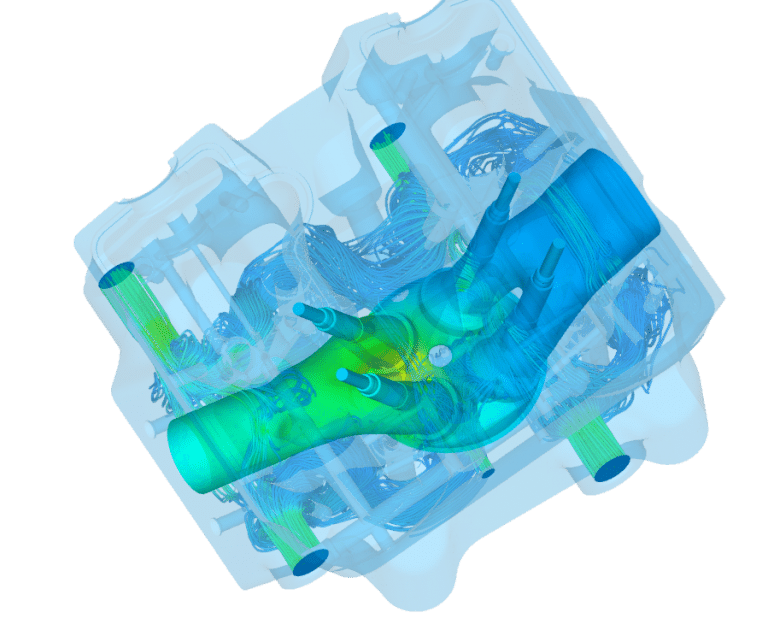
      • CFD: Turbulent flow closure modeling (Reynolds stresses, eddy viscosity)
  • Operator Learning:
    • Neural operators (Fourier Neural Operators, DeepONet) map inputs to solutions
    • Bypasses iterative solvers for real-time predictions
    • Applications:
      • FEA: Rapid stress/strain predictions for composite materials
      • CFD: Real-time flow fields for transient LES of reacting flows
Key Benefit: Combines physical rigor with ML efficiency - reducing computational costs while maintaining accuracy in nonlinear, multi-physics systems.